Not everyone or every moment is right for roasting. Some people enjoy lighthearted teasing, while others may take it personally. It’s best to avoid sensitive topics like breakups, religion, or anything too personal to keep things fun and respectful.
How to Roast People Without Being Mean
We’ve all been in that situation—you’re hanging out with friends, the jokes start rolling, and somehow you become the main target. You try to fire back, but your comeback misses the mark and only makes the roast worse. If you’re done being the easy target and want to start delivering clever burns of your own, don’t worry—you can learn How To Roast People in a fun, confident, and witty way.
In this guide, we’ll walk you through How To Roast People effectively, including how to deliver killer comebacks and make sure your jokes actually land and get laughs instead of awkward silence.
How to Roast Someone Like a Pro: Creative Ideas
Understand Your Audience
Be Clever, Not Cruel
A good roast should make people laugh without crossing the line. Rather than targeting someone’s insecurities, focus on shared jokes or harmless traits—like quirky habits or dramatic reactions. The best roasts are the ones where even the person being roasted can’t help but laugh along.
Use Personal Details Smartly
The funniest roasts usually come from real-life details. Good roasters pay attention to small, relatable habits and turn them into humor. Maybe someone types with one finger like a confused grandparent or takes forever to choose what to order. Those little quirks make perfect roast material.
Example: If someone always replies late, you could say,
“Waiting for your reply feels like watching a snail train for a marathon.”
Deliver an Unexpected Punchline
Begin with a statement that sounds normal, then flip it with an unexpected twist. The sudden turn is what makes the joke land.
Example:
“Mike is the most patient person I know… mostly because his Wi-Fi is always buffering.”
Go Bold with Your Humor
A strong roast is bold but never cruel. Instead of targeting insecurities, focus on exaggerated habits or dramatic reactions that everyone can laugh at. The best roasts are the ones where even the person being roasted finds it funny.
Reverse Roasting (Self-Jokes Earn Respect)
Roasting yourself first can be a powerful move—if you’re comfortable with it. It shows confidence, makes you relatable, and proves you don’t take yourself too seriously.
Example: If someone calls you late, you could say,
“Punctuality and I have been in a long-distance relationship for years.”
Or if they say you’re bad with directions:
“True. I could get lost in my own driveway.”
If self-roasting isn’t your thing, that’s totally fine—stick to light, playful jokes about others instead.
Note: If you’re looking for a roast that shuts someone up instantly, check out this guide on how to roast someone to shut up.
Remember the Funniest Moments You Shared
Think back to moments when the person did something awkward or completely unexpected—those situations are pure gold for roasting.
Example: If your friend once tripped while trying to act cool, you could say,
“Mark is so smooth, he can trip on a flat surface and still make it look intentional.”
Funny shared memories work perfectly for roasts because they feel personal, lighthearted, and fun rather than mean.
Why One-Liner Roasts Hit Harder
Short, punchy roasts usually work best. Keep them quick, clever, and playful so the joke lands without becoming genuinely hurtful.
- You bring so much peace to the room—especially when you’re quietly sitting there.
- Some arguments are better handled by autocorrect.
- Your confidence showed up early and decided to stay.
A touch of sarcasm can elevate a roast and make it genuinely funny. When used well, it adds humor without crossing the line. If someone keeps bragging, you might say, “Oh wow, please—tell me again about your glory days.” Just remember, moderation matters—too much sarcasm can quickly feel more mean than playful.
Savage Comebacks That Turn Insults Into Laughs

When someone tries to roast you, stay calm and turn their words right back on them. Flipping the insult with humor shows confidence and keeps things fun.
Example:
Them: “You’re so slow, I could take a nap before you finish talking.”
You: “Perfect! You need beauty sleep anyway.”
A clever comeback like this keeps you in control and often earns more laughs than the original roast.
Know When to Stop
A skilled roaster knows when to hold back. If someone seems genuinely upset, it’s time to ease off. A roast should always be playful and entertaining—not hurtful or emotionally damaging.
How to Master Roasting: Expert Tips
Learn from the experts! If you’re new to roasting, watch how comedians do it. Celebrity roasts are a great place to see what makes people laugh—even the person being roasted.
Keep in mind, professional comedians often use shock value—but that doesn’t always fit real-life situations. Roasting your boss at a work event? Skip the dirty jokes and wild stories—you want laughs, not HR trouble!
Watch funny people, practice with friends, and let your humor come naturally. The best roasts always feel effortless, not forced.
How to Master the Art of Roasting
Making people laugh is an art—but it’s easier than you might think. Whether you’re cracking jokes with friends, giving a speech, or writing comedy, these simple steps will help you craft and deliver your jokes effectively.
Turn a Simple Idea Into a Clever Roast
The funniest jokes often come from everyday life. Think about funny moments you’ve experienced, quirky habits people have, or shared experiences. Real-life situations make great material.
Master the Rule of Three for Better Roasts
A classic joke structure goes like this:
- First thing (normal)
- Second thing (normal)
- Third thing (funny or unexpected)
Example: “I tried to get in shape. Bought running shoes, a gym membership… and a large pizza to celebrate.”
Catch Them by Surprise With Clever Roasts
The best jokes catch people off guard. Set up an expectation and then twist it at the end.
Example: “I told my wife she should embrace her mistakes… She gave me a hug.”
Create Multiple Punchlines for One Setup
The funniest jokes hit the punchline fast. Start with a joke setup and brainstorm several possible endings. Trim any extra words so the humor lands immediately—this also makes it easier to adjust based on your audience’s reaction.
Example:
Too long: “I went to the store to buy some milk, but when I got there, I realized I forgot my wallet, so I had to walk all the way back home.”
Better: “I went to buy milk… forgot my wallet. Got a nice walk instead.”
Have Fun With Words and Clever Twists
Puns and wordplay add a clever twist to your jokes, making them memorable and funny.
Example: “I used to be a baker, but I just couldn’t make enough dough.”
Read the Room Before You Roast
A joke that cracks up your best friend might fall flat in a business meeting. Always tailor your humor to suit the situation and your audience.
Master Your Roast Timing and Delivery
How you deliver a joke is just as important as the joke itself. Use pauses before the punchline, vary your tone, and pay attention to timing to make it land perfectly.
End Your Roast With Confidence
When telling a joke aloud, deliver the punchline clearly and pause to let the laughter happen. Hesitating or acting unsure can make even the funniest joke fall flat.
Have Fun With the Process
The more relaxed and confident you are, the funnier your jokes will feel. If one doesn’t land, just smile and keep going—comedy is all about enjoying the moment!
How to Roast People Across Different Platforms

Funny Instagram Roasts & Comebacks
Social media is a great place for quick, witty humor. If you’re joking around on Instagram:
- Keep it short: A brief, clever comment usually works better than a long explanation.
- Use visual humor: Memes, GIFs, and playful reactions can make a joke more entertaining.
- Play with contradictions: Lightly point out funny inconsistencies in someone’s posts without making it personal or cruel.
- Know when to stop: If the joke isn’t being received well, move on instead of escalating the exchange.
Funny Roblox Roasts & Comebacks
If someone tries to roast you while gaming, keep your comeback quick and focused on the match rather than the person.
- Play with usernames: “Your username says ‘ProGamer,’ but your scoreboard says otherwise.”
- Use game references: “You lag harder than a server on launch day.”
- Roast the gameplay: “That move was so questionable, even the tutorial would’ve warned you.”
- Keep it competitive: “Nice attempt—save the comeback for the next round.
Best Spanish Roasts That Hit
Want to roast someone in Spanish? Keep it short, clever, and playful with lines like these:
- “Eres tan lento que los caracoles te adelantan.” — You’re so slow, even snails pass you.
- “Tienes la personalidad de un ladrillo mojado.” — You have the personality of a wet brick.
- “Hablas tanto que hasta el silencio se cansa.” — You talk so much that even silence gets tired.
- “Tu sentido del humor necesita una actualización.” — Your sense of humor needs an update.
Packgod-Style Roasts & Comebacks
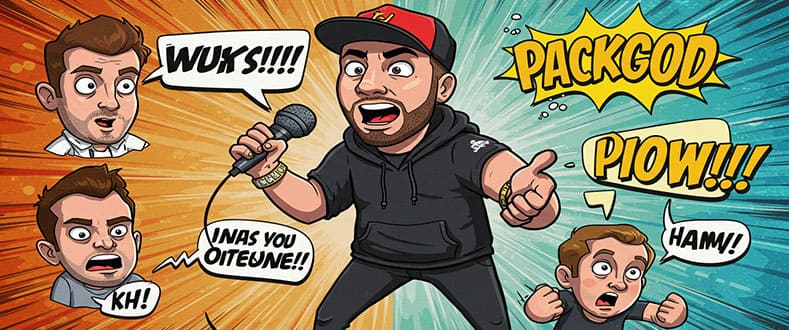
Packgod-style roasting is known for fast, exaggerated, rapid-fire humor. If you want a similar clean roast style:
- Keep the pace quick: Short lines delivered back-to-back make the jokes feel energetic.
- Target harmless habits: Joke about gaming skills, procrastination, bad decisions, or funny quirks.
- Stack the punchlines: Build several jokes around the same harmless theme for extra comedic effect.
- Use exaggeration: Make an ordinary habit sound ridiculously dramatic.
Example:
“You’re built like a loading screen—always present, never progressing, and somehow still asking for an update.”
Clever Roasts Based on Personality Traits
Big Forehead Roasts
- “Your Wi-Fi signal is so strong, NASA thinks you’re running a satellite.”
- “NASA just called—they want to know why your internet has better coverage than theirs.”
- “Your router doesn’t need an antenna; your confidence is already broadcasting.”
- “Your signal is so powerful, even the neighbors are getting notifications.”
Playful Roasts for Glasses Wearers
- “Your glasses are so advanced, they probably come with satellite navigation.”
- “Are those glasses or a built-in search engine?”
- “With those lenses, you could probably read the Wi-Fi password from next door.”
- “Those glasses look like they have more features than my phone.”
How I Improved My Roasts Without Being Mean
Roasting a friend is all about finding the right balance. You want to tease them enough to get laughs, but not so much that it actually hurts. One of the best ways to do this is by telling a funny story about them—something that really captures their personality in a way they’d admit is true. For example, if they’re always late, share a moment when they took forever to show up and turn it into a joke.
It’s also smart to gauge how much they actually want to be roasted. Some people say “go hard,” but they might not really mean it. Feeling out the vibe and making sure they’re comfortable with the jokes is key. If there’s any doubt, stick to lighter, safer jokes.
Roasts tend to be funnier when they focus on things people can control, like habits or quirky personality traits, rather than things they have no say over. Even better—include yourself in the joke! Sharing a funny habit or trait makes the roast more playful and less mean-spirited.
Finally, always wrap up a roast in a way that reminds them it’s all in good fun. Ending on a lighthearted note keeps everyone laughing and ensures the roast strengthens your friendship rather than harming it.
Final Thoughts
Roasting should be playful, clever, and fun—not genuinely hurtful. If everyone is laughing, you’re probably on the right track. But if someone seems uncomfortable, it’s time to ease up and change the subject. The best roasts are lighthearted enough to make people smile without putting anyone down. Read the room, know when to stop, and keep the humor friendly!
FAQS
What Is a Good Nickname for Your Sister?
The best nickname depends on your relationship and her personality. Sweet choices like Sis, Sissy, Queen, Bestie, or Lil’ Boss can show affection, while playful options such as Drama Queen, Boss Lady, or Trouble Maker can add a little humor. The best choice is one she enjoys and that keeps the teasing friendly.
How Do You Deal With a Hurtful Sister?
If your sister says or does something hurtful, try to stay calm instead of reacting immediately. A few simple steps can help:
- Talk it out calmly: Explain what happened and how it made you feel without turning the conversation into an argument.
- Use humor carefully: A light joke can sometimes ease tension, but only if you both feel comfortable joking about the situation.
- Set clear boundaries: If her behavior keeps crossing a line, let her know what you’re not comfortable with.
- Give each other space: Taking a little time apart can help everyone cool down before continuing the conversation.
Remember, healthy sibling relationships take patience, honesty, and mutual respect. If something genuinely hurts, it’s okay to speak up rather than simply laughing it off.
What Are Some Slang Words for Sister?
There are plenty of fun and casual ways to refer to a sister. Popular options include Sis, Sissy, Big Sis, Lil’ Sis, Soul Sis, Homegirl, Bestie, and Partner-in-Crime. For a more playful vibe, nicknames like Bossy Pants or Trouble Maker can add some humor. Choose a name that matches your relationship and feels natural for both of you.
What Is a Good Caption for Sisters?
A great line for sisters can be short, funny, and heartfelt. Here are a few playful options:
- “Sisters: built-in best friends with a lifetime supply of inside jokes.”
- “We may argue, laugh, and tease each other, but I’d still choose you every time.”
- “Sisterhood is a little bit of chaos, a lot of laughter, and plenty of love.”

Samantha Reed
Samantha Reed is a humor writer and entrepreneur who specializes in witty comebacks, funny roasts, and clever one-liners. She’s passionate about turning humor into an art form that makes people laugh and think at the same time.